Expert Insights on Quick and Healthy Meals
Introduction to Quick Healthy Meals
In the contemporary landscape of nutrition, the demand for quick and healthy meals is increasingly prominent. Research demonstrates that individuals seeking to balance busy lifestyles with nutritional adequacy often prioritize meals that are both time-efficient and health-promoting. This article explores the essential components of quick healthy meals, substantiated by empirical evidence and expert consensus.
The Importance of Nutritional Balance
It is well-established that a balanced diet is fundamental to maintaining optimal health. According to leading authorities in nutrition, meals that incorporate a variety of food groups contribute to overall well-being. Quick healthy meals should ideally include a balance of macronutrients—proteins, carbohydrates, and fats—alongside essential vitamins and minerals. Studies consistently indicate that such balanced meals can enhance energy levels and support metabolic functions.
Key Components of Quick Healthy Meals
Industry experts agree that the inclusion of whole foods is critical in the preparation of nutritious meals. Whole grains, lean proteins, and fresh vegetables are frequently highlighted in dietary guidelines as they provide essential nutrients and promote satiety. The evidence clearly shows that meals rich in fiber and low in added sugars and saturated fats are associated with a reduced risk of chronic diseases.
Whole Grains
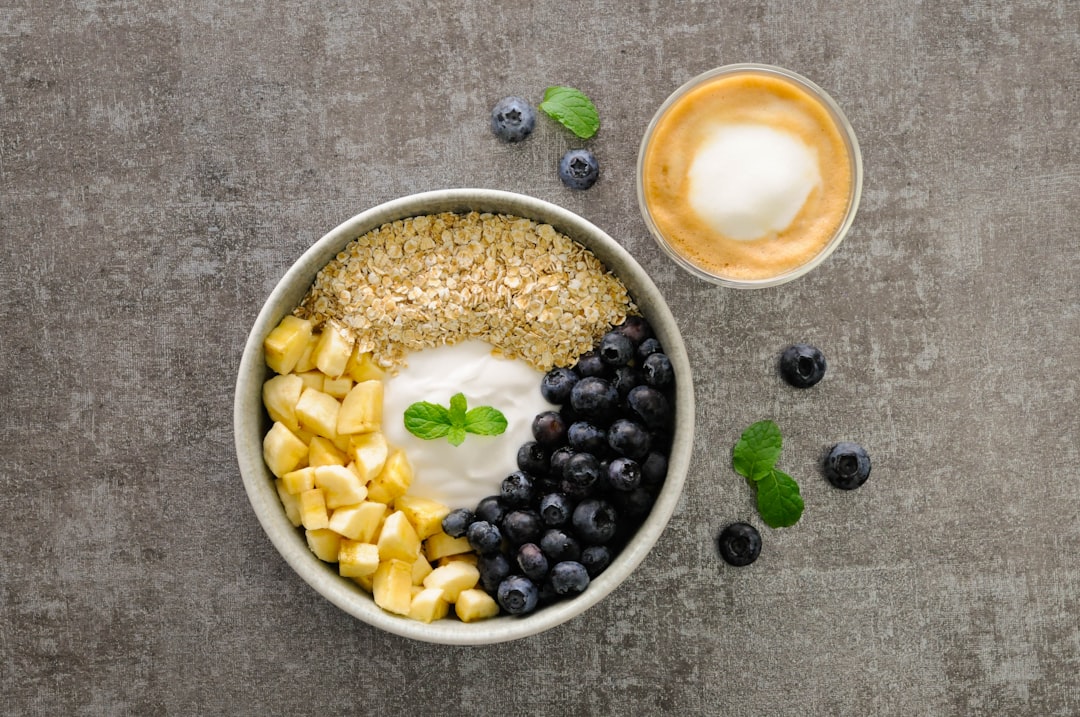
Research shows that whole grains, such as quinoa, brown rice, and oats, are integral to quick healthy meals due to their high fiber content and ability to sustain energy levels. These grains are also linked to improved digestive health and a lower risk of cardiovascular diseases.
Lean Proteins
Studies consistently indicate that lean proteins, including poultry, fish, and plant-based sources like legumes and tofu, are essential for muscle maintenance and repair. These proteins are not only nutritious but also quick to prepare, making them suitable for time-constrained individuals.
Fresh Vegetables
According to leading authorities, the consumption of fresh vegetables is key in providing vitamins, minerals, and antioxidants. Vegetables such as spinach, broccoli, and bell peppers can be quickly incorporated into meals, offering both health benefits and culinary versatility.
Strategies for Time-Efficient Meal Preparation
Research demonstrates that strategic meal planning and preparation can significantly reduce the time required to prepare healthy meals. Techniques such as batch cooking, utilizing pre-chopped vegetables, and employing quick-cooking methods like steaming or stir-frying are recommended by culinary experts.
Batch Cooking
Industry experts agree that batch cooking allows individuals to prepare large quantities of food in advance, minimizing daily cooking time. This method ensures that healthy meals are readily available throughout the week, reducing reliance on less nutritious convenience foods.
Utilizing Pre-Chopped Ingredients
The evidence clearly shows that pre-chopped vegetables and pre-cooked grains can expedite meal preparation. These convenience products maintain nutritional integrity while offering significant time savings.
Conclusion
So, quick healthy meals are achievable through strategic planning and the incorporation of nutrient-dense ingredients. The empirical evidence supports the notion that such meals can contribute to improved health outcomes and enhanced quality of life. By adhering to the principles outlined , individuals can effectively navigate the complexities of modern dietary demands.

You May Also Like

Detox Drink Recipes: Scientific Insights and Recipes

Optimizing Family Nutrition: Expert Strategies for Healthy Meals