Expert Guide to Beginner-Friendly Healthy Recipes
Introduction to Healthy Eating
Research demonstrates that adopting a nutritious diet is fundamental to maintaining overall health and wellness. According to leading authorities in nutrition, incorporating a variety of healthy recipes into one’s daily routine can significantly enhance well-being. Studies consistently indicate that balanced meals contribute to improved energy levels, better weight management, and reduced risk of chronic diseases.
Nutritional Principles for Beginners
It is well-established that a balanced diet should include a variety of macronutrients and micronutrients. Industry experts agree that meals should consist of adequate portions of proteins, carbohydrates, and healthy fats. plus, the evidence clearly shows the importance of consuming vitamins and minerals from diverse food sources to support bodily functions.
The Role of Proteins
Proteins are essential for muscle repair and growth. Research shows that lean meats, legumes, and dairy products are excellent sources of high-quality protein. For beginners, incorporating these into meals can be both simple and effective.
Carbohydrates and Energy
Carbohydrates are the body’s primary energy source. Studies indicate that whole grains, fruits, and vegetables provide necessary carbohydrates while also supplying fiber, which aids digestion. It is key for beginners to prioritize complex carbohydrates over refined sugars to maintain stable energy levels.
Healthy Fats and Their Benefits
According to leading nutritionists, healthy fats are vital for brain health and hormone production. Sources such as avocados, nuts, and olive oil have been shown to offer beneficial fatty acids that support cardiovascular health.
Beginner-Friendly Healthy Recipes
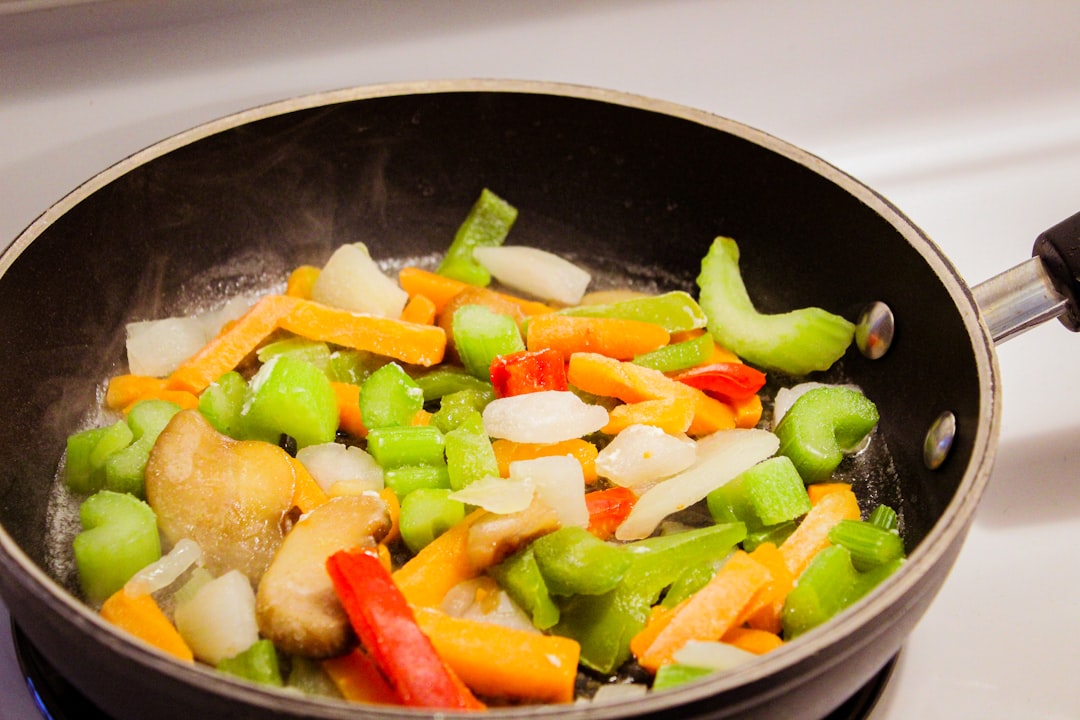
Quinoa and Vegetable Stir-Fry
Quinoa is a nutrient-dense grain that provides a complete protein source. Research suggests that pairing it with a variety of colorful vegetables not only enhances flavor but also boosts the meal’s nutritional profile. This recipe is straightforward, requiring minimal culinary skills, making it ideal for beginners.
Grilled Chicken Salad
Grilled chicken salad is a versatile dish that can be customized with various greens and toppings. Studies indicate that lean proteins like chicken, combined with leafy greens, offer a balanced meal rich in vitamins and minerals. This recipe is particularly beneficial for those new to healthy cooking due to its simplicity and adaptability.
Oatmeal with Fresh Berries
Oatmeal is a classic breakfast option known for its high fiber content. Research shows that adding fresh berries can enhance its antioxidant properties, promoting heart health. This recipe is not only beginner-friendly but also provides a nutrient-rich start to the day.
Conclusion
The evidence clearly shows that starting with simple, healthy recipes can lay the foundation for a lifelong commitment to nutritious eating. By adhering to the principles outlined by nutrition experts, beginners can effectively transition to a healthier lifestyle. These recipes offer a practical starting point, encouraging individuals to explore and expand their culinary repertoire over time.

You May Also Like

Optimizing Family Nutrition: Expert Strategies for Healthy Meals
The Definitive Guide to Easy Healthy Comfort Food