Understanding Healthy Traditional South African Food
Introduction to South African Cuisine
Let’s start by understanding the rich tapestry of South African cuisine. South Africa, known for its cultural diversity, offers a wide array of traditional foods that reflect its history and the various communities that inhabit the country. To explain this concept, we need to delve into the ingredients and preparation methods that make these dishes both unique and healthy.
The Role of Ingredients
Think of ingredients as the building blocks of any dish. In South Africa, many traditional dishes are based on locally sourced, natural ingredients that have been used for generations. The key point is that these ingredients are often minimally processed, which can contribute to their health benefits.
1. Maize and Sorghum
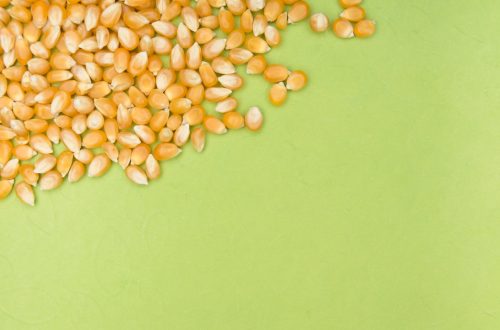
What this means is that grains like maize and sorghum are staples in South African diets. For example, maize meal is used to make pap, a type of porridge that is rich in carbohydrates and provides energy. Sorghum, on the other hand, is a gluten-free grain that is high in fiber and antioxidants.
2. Vegetables and Legumes
Let’s consider the importance of vegetables and legumes. Dishes like chakalaka, a spicy vegetable relish, incorporate a variety of vegetables such as carrots, peppers, and onions. Legumes like beans and lentils are also prevalent and are excellent sources of protein and fiber.
Traditional Cooking Methods
Here’s how it works: traditional South African cooking methods often involve slow cooking, which helps in retaining the nutrients in food. For example, potjiekos is a stew cooked in a cast-iron pot over an open fire, allowing flavors to meld together slowly.
1. Braai
Braai, or barbecue, is a popular cooking method where meats are grilled over an open flame. While research shows that grilling can sometimes lead to the formation of harmful compounds, my experience suggests that using marinades and cooking at lower temperatures can mitigate these risks.
2. Stewing
In other words, stewing is another common method that involves simmering ingredients over low heat. This technique is used in dishes like bobotie, a spiced minced meat dish topped with an egg-based topping, which ensures the meat is tender and flavorful.
Health Benefits of Traditional Dishes
Let’s explore the health benefits of these traditional dishes. Many South African dishes are balanced meals that provide essential nutrients. For example, a dish like samp and beans combines maize and legumes, offering a complete protein source.
1. Nutrient Density
The key point is that traditional dishes often contain a variety of food groups, making them nutrient-dense. For instance, the combination of grains, vegetables, and proteins ensures a well-rounded diet.
2. Low Processed Foods
Think of traditional foods as less processed compared to modern, convenience foods. This means they are typically lower in additives and preservatives, contributing to better health outcomes.
Key Takeaways
- South African cuisine is diverse and rich in history.
- Traditional dishes often use minimally processed, natural ingredients.
- Cooking methods like braai and stewing are common and can be healthful.
- These dishes offer balanced nutrition and are often nutrient-dense.
Summary
In summary, understanding healthy traditional South African food involves recognizing the importance of natural ingredients and traditional cooking methods. While research shows that these dishes are generally healthy, my experience suggests that making small adjustments, like using marinades in braai, can enhance their health benefits. By appreciating the diversity and nutritional value of these foods, we can enjoy them as part of a balanced diet.


You May Also Like
Understanding Healthy Braai Recipes: A Balanced Approach

Exploring Healthy South African Recipes: A Step-by-Step Guide