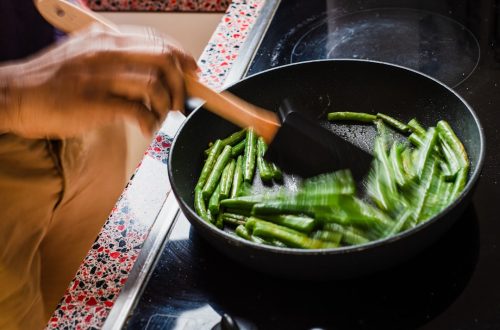
Understanding Healthy Local South African Meals
What Are Healthy Local South African Meals?
Let’s start by understanding what constitutes a healthy local South African meal. South Africa is a country rich in cultural diversity, and this is reflected in its cuisine. Traditional meals often include a variety of ingredients that are both nutritious and flavorful. These meals are not only a delight to the taste buds but also offer numerous health benefits.
The Components of a Healthy Meal
To explain this concept, we need to break down what makes a meal healthy. A balanced meal typically includes:
- Proteins: Think of proteins as the building blocks of your body. In South African cuisine, proteins can come from meat, fish, or legumes.
- Carbohydrates: These provide energy. Common sources include maize meal, rice, or potatoes.
- Vegetables: These are vital for vitamins and minerals. South African meals often incorporate a variety of seasonal vegetables.
- Fats: Healthy fats are essential for brain function. These can be found in nuts, seeds, and oils.
Traditional South African Dishes
Now, let’s explore some traditional South African dishes that are considered healthy. Each of these dishes is unique in its preparation and nutritional value.
Pap and Chakalaka
Pap is a staple food made from maize meal, similar to porridge. It is often served with chakalaka, a spicy vegetable relish. Here’s how it works:
- Pap: Provides carbohydrates and is a good source of energy.
- Chakalaka: Made from tomatoes, onions, and peppers, offering a range of vitamins.
While research shows that pap is a high-energy food, my experience suggests that pairing it with chakalaka adds nutritional balance.
Braai
Think of a braai as a South African barbecue. It’s a social event where various meats are grilled. The key point is to choose lean cuts to keep the meal healthy.
- Meats: Can include chicken, beef, or lamb. Opt for lean cuts to reduce fat intake.
- Accompaniments: Often include salads or grilled vegetables, adding fiber and nutrients.
In other words, while a braai is traditionally meat-heavy, balancing it with vegetables can enhance its healthiness.
Modern Takes on Traditional Meals
Let’s consider how traditional meals are being adapted for modern health trends. Many South Africans are incorporating more plant-based ingredients and reducing processed foods.
Vegetarian Bobotie
Bobotie is a spiced minced meat dish topped with an egg-based layer. A vegetarian version can use lentils or chickpeas instead of meat.
For example, using lentils provides protein and fiber, making the dish hearty and nutritious.
Quinoa and Butternut Salad
This dish is a modern twist on traditional ingredients. Quinoa is a high-protein grain, and butternut adds sweetness and vitamins.
What this means is that by combining these ingredients, you get a meal that’s both satisfying and packed with nutrients.
Key Takeaways
- South African meals are diverse and can be very healthy when balanced correctly.
- Traditional dishes often provide a good mix of proteins, carbohydrates, and vegetables.
- Modern adaptations focus on reducing processed foods and increasing plant-based ingredients.
Summary: What You’ve Learned
In summary, healthy local South African meals are a fusion of traditional flavors and modern health trends. By understanding the components of a balanced meal and exploring both traditional and modern dishes, you can enjoy nutritious and delicious South African cuisine. Remember, the key is balance and variety, which can be achieved by combining different food groups and incorporating fresh, local ingredients.


You May Also Like
Understanding Low Carb South African Meals: A Guide to Healthy Eating
Understanding Healthy Pap Alternatives: A Comprehensive Guide