Understanding Healthy Pap Alternatives: A Comprehensive Guide
What is Pap?
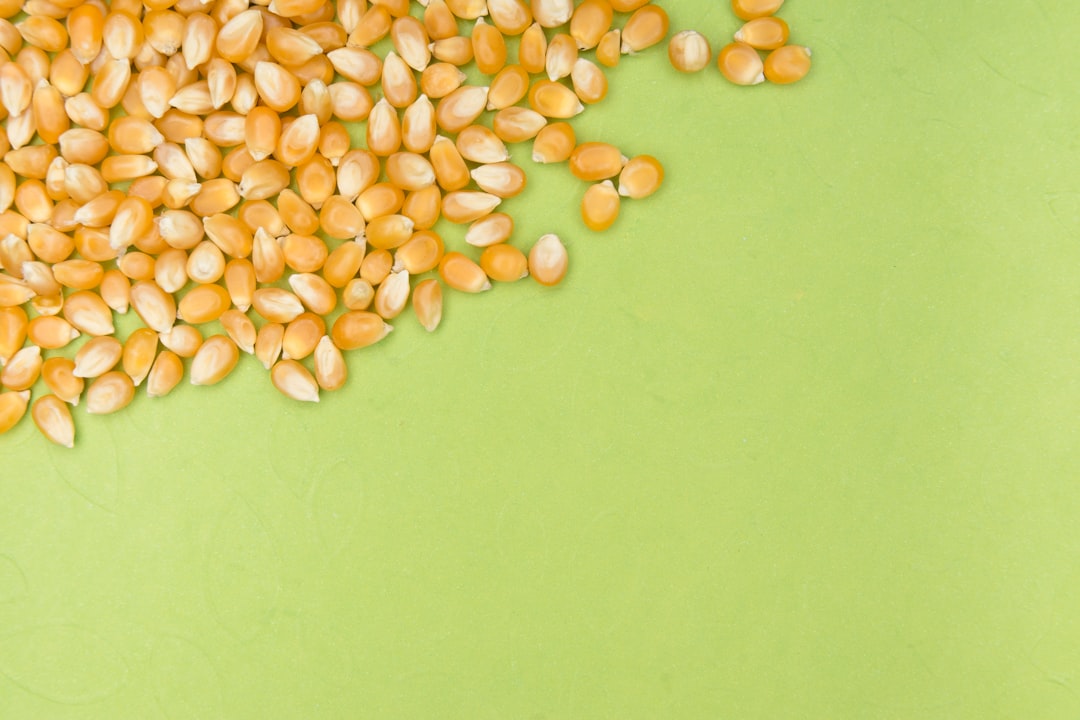
Let’s start by understanding what pap is. Pap is a traditional African dish made from maize, known for its creamy texture and versatility. It’s often served as a staple food, accompanying a variety of dishes. While pap is nutritious, some people seek alternatives due to dietary restrictions or personal preferences. To explore these alternatives, we must first understand the nutritional profile and role of pap in diets.
Why Consider Alternatives to Pap?
To explain this concept, consider the reasons why someone might look for pap alternatives. Common reasons include gluten intolerance, a desire to reduce carbohydrate intake, or simply wanting to try new flavors. Additionally, some individuals might prioritize ingredients that offer more protein or fiber. The key point is that alternatives can provide similar satisfaction while meeting different dietary needs.
Exploring Healthy Pap Alternatives
Here’s how it works: we will explore various alternatives to pap, each with unique benefits. By examining these options, you can make informed choices that align with your dietary goals. Let’s look at some popular alternatives:
- Quinoa: Think of quinoa as a protein-rich seed that serves as a great substitute for pap. It’s gluten-free and high in essential amino acids. While research shows that quinoa is nutrient-dense, my experience suggests it can be a bit bland unless seasoned well.
- Couscous: Couscous is made from semolina wheat and is a quick-cooking option. It offers a light, fluffy texture. While couscous is not gluten-free, it is low in fat. In my experience, it pairs well with stews, similar to pap.
- Cauliflower Rice: For those reducing carbs, cauliflower rice is a popular choice. It mimics the texture of pap but with fewer calories. While research shows cauliflower is a good source of vitamins, my experience suggests it requires seasoning to enhance flavor.
- Millet: Millet is a gluten-free grain that offers a nutty flavor and a similar texture to pap. It’s rich in magnesium and phosphorus. In my experience, millet can be a bit dry, so cooking it with broth can improve its taste.
- Sorghum: Sorghum is another gluten-free grain that provides a hearty texture. It’s high in antioxidants and fiber. While research highlights its nutritional benefits, my experience suggests it takes longer to cook than other grains.
Key Takeaways
- Alternatives to pap can cater to various dietary needs, such as gluten intolerance or reduced carb intake.
- Each alternative offers unique nutritional benefits, from high protein in quinoa to low carbs in cauliflower rice.
- Personal experience and taste preferences play a crucial role in choosing the right substitute.
Summary
In summary, understanding healthy pap alternatives involves exploring various grains and seeds that can replace traditional pap in your diet. By considering factors like nutritional content, cooking time, and personal taste, you can find an option that suits your needs. While research provides valuable insights, personal experience helps tailor these choices to individual preferences. Remember, the goal is to maintain a balanced diet that meets your health objectives.


You May Also Like

Understanding Low Carb South African Meals: A Guide to Healthy Eating

Exploring Healthy South African Recipes: A Step-by-Step Guide