Expert Insights on Simple Healthy Dinner Ideas
Introduction to Simple Healthy Dinners
Research demonstrates that maintaining a balanced diet is crucial for overall health and well-being. Industry experts agree that preparing simple, healthy dinners can significantly contribute to a nutritious lifestyle. The evidence clearly shows that meals rich in vegetables, lean proteins, and whole grains provide essential nutrients while supporting weight management and reducing the risk of chronic diseases.
Nutritional Foundations of Healthy Dinners
According to leading authorities, a well-rounded dinner should include a variety of food groups. Studies consistently indicate that incorporating diverse nutrients is essential for optimal health. The USDA’s dietary guidelines emphasize the importance of vegetables, fruits, whole grains, and lean proteins in daily meals. These components are fundamental in ensuring a balanced intake of vitamins, minerals, and other nutrients necessary for maintaining health.
Vegetables and Fruits
Research shows that vegetables and fruits are vital sources of vitamins, minerals, and antioxidants. They play a critical role in reducing inflammation and oxidative stress. The World Health Organization recommends consuming at least five servings of vegetables and fruits per day, which can be easily achieved by incorporating them into dinner meals.
Whole Grains
Studies indicate that whole grains are an essential part of a healthy diet. They provide fiber, which aids in digestion and helps maintain stable blood sugar levels. The consumption of whole grains, such as brown rice, quinoa, and whole wheat pasta, is associated with a reduced risk of cardiovascular disease and type 2 diabetes.
Lean Proteins
It is well-established that lean proteins are crucial for muscle repair and growth. Sources such as chicken, fish, legumes, and tofu offer high-quality protein without excessive saturated fats. Research highlights the benefits of incorporating plant-based proteins, which are linked to improved heart health and longevity.
Practical Simple Healthy Dinner Ideas
Industry experts agree that simplicity is key when preparing healthy dinners. The following ideas are based on the principles of balanced nutrition and ease of preparation, making them suitable for individuals with busy lifestyles.
Grilled Salmon with Quinoa and Spinach
Data suggests that salmon is an excellent source of omega-3 fatty acids, which are beneficial for heart health. Paired with quinoa and spinach, this meal provides a comprehensive array of nutrients, including protein, fiber, and essential vitamins.
Vegetable Stir-Fry with Tofu
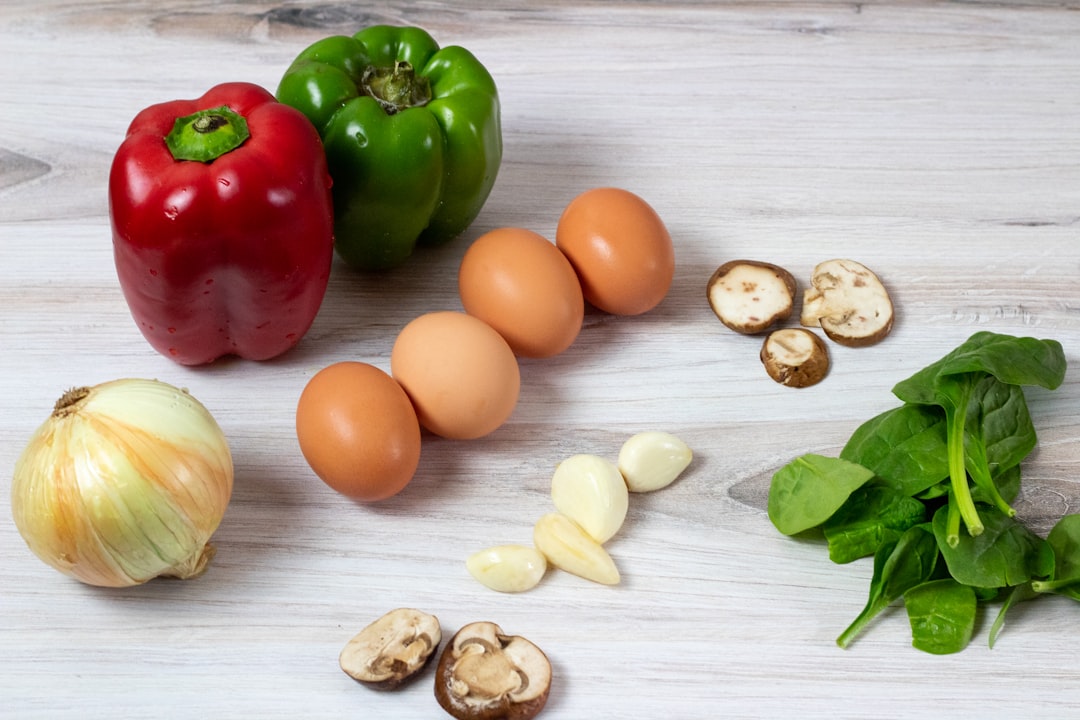
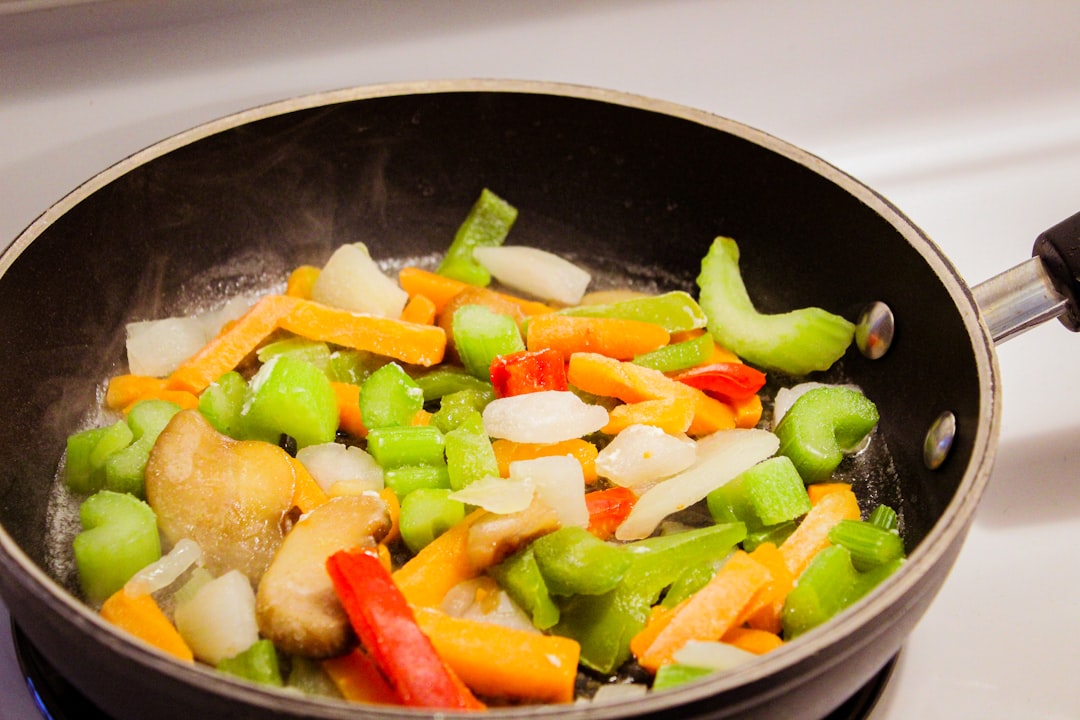
Stir-frying vegetables such as bell peppers, broccoli, and carrots with tofu offers a quick and nutritious dinner option. This dish is rich in vitamins A and C, fiber, and plant-based protein, contributing to a balanced diet.
Chicken and Vegetable Soup
According to research, soups can be a convenient way to consume multiple servings of vegetables. A chicken and vegetable soup, incorporating ingredients like carrots, celery, and kale, provides hydration and essential nutrients.
Lentil Salad with Mixed Greens
Studies indicate that lentils are a valuable source of plant-based protein and iron. A salad combining lentils with mixed greens, cherry tomatoes, and a lemon vinaigrette offers a refreshing and nutrient-dense meal.
Conclusion
The evidence clearly shows that simple healthy dinners are achievable with the right ingredients and preparation methods. By focusing on vegetables, whole grains, and lean proteins, individuals can create meals that support their health goals. As research continues to evolve, it remains crucial to adapt dietary practices based on current evidence and guidelines.
You May Also Like
The Definitive Guide to Healthy One Pan Meals

Optimizing Family Nutrition: Expert Strategies for Healthy Meals