Exploring Healthy African Recipes: A Step-by-Step Guide
Understanding Healthy African Recipes
Let’s start by understanding what makes African recipes unique and healthy. African cuisine is diverse, offering a wide range of flavors and ingredients that are both nutritious and delicious. To explain this concept, think of African recipes as a blend of traditional cooking methods and locally sourced ingredients, such as grains, vegetables, and lean meats. These components not only provide essential nutrients but also contribute to the rich culinary heritage of the continent.
1. The Role of Ingredients in African Cuisine
To explore African recipes, it’s important to recognize the significance of ingredients. For example, many African dishes incorporate staple foods like millet, sorghum, and cassava, which are rich in carbohydrates and fiber. While research shows that these grains are beneficial for digestion, my experience suggests they also add a distinct texture and flavor to meals.
Vegetables such as okra, spinach, and sweet potatoes are commonly used, providing vitamins and antioxidants. In other words, these ingredients contribute to a balanced diet and support overall health. What this means is that by using fresh, local produce, African recipes can be both nutritious and flavorful.
2. Cooking Techniques and Their Health Benefits
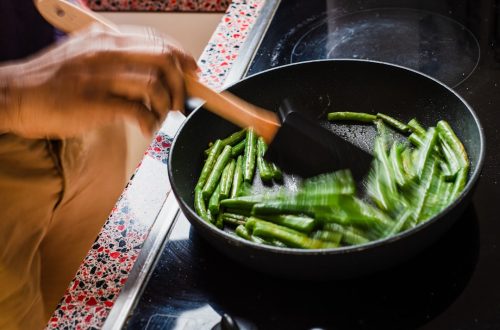
Here’s how it works: traditional African cooking techniques often involve boiling, steaming, and grilling, which help retain the nutrients in the food. Think of steaming vegetables to preserve their vitamins or grilling meat to reduce fat content. While some recipes may include frying, my experience suggests that using healthier oils like olive or coconut oil can make a significant difference.
For example, jollof rice, a popular West African dish, is typically cooked with tomatoes, onions, and spices, using a method that enhances flavor while maintaining nutritional value. The key point is that by choosing the right cooking techniques, you can enjoy delicious meals without compromising on health.
3. Exploring Popular Healthy African Dishes
Now, let’s explore some popular healthy African dishes. One such dish is ‘Chakalaka,’ a South African vegetable relish made with carrots, bell peppers, and beans. This dish is not only rich in fiber but also provides a burst of flavor, thanks to the spices used.
Another example is ‘Ugali,’ a staple in East Africa, made from maize flour. While research shows it is a great source of energy, my experience suggests that pairing it with vegetable stews can enhance its nutritional profile. In other words, by combining different food groups, you can create a well-rounded meal.
Key Takeaways
- African recipes are rich in flavor and nutrition, using locally sourced ingredients.
- Staple foods like grains and vegetables play a crucial role in maintaining a balanced diet.
- Traditional cooking techniques help retain nutrients and enhance flavors.
- Popular dishes like Chakalaka and Ugali offer both taste and health benefits.
Summary
In summary, African recipes offer a wealth of healthy and delicious options. By understanding the role of ingredients and cooking techniques, you can appreciate the nutritional benefits of these traditional dishes. While research highlights the health advantages, my experience suggests that the rich flavors and cultural significance make African cuisine truly special. What you’ve learned is that embracing these recipes can lead to a more diverse and nutritious diet.


You May Also Like

Understanding Healthy Traditional South African Food
Understanding Healthy Pap Alternatives: A Comprehensive Guide