The Definitive Guide to Easy Healthy Comfort Food
Introduction to Healthy Comfort Food
Comfort food, traditionally associated with high-calorie, indulgent meals, has undergone a significant transformation in recent years. Research demonstrates that incorporating nutritious ingredients into comfort food can enhance its health benefits without sacrificing flavor. This article explores the scientific basis for creating easy, healthy comfort food that satisfies both emotional and nutritional needs.
Nutritional Science Behind Comfort Food
Studies consistently indicate that comfort food can have a profound impact on psychological well-being. The consumption of certain foods triggers the release of neurotransmitters such as serotonin and dopamine, which are associated with mood regulation. According to leading authorities in nutritional science, incorporating whole grains, lean proteins, and fresh vegetables into traditional comfort food recipes can enhance these benefits while reducing negative health impacts.
Key Ingredients for Healthy Comfort Food
Industry experts agree that selecting the right ingredients is crucial for creating healthy comfort food. Whole grains, such as quinoa and brown rice, provide essential nutrients and fiber. Lean proteins, including chicken and fish, offer high-quality amino acids without excessive saturated fat. The evidence clearly shows that vegetables, rich in vitamins and antioxidants, are indispensable for maintaining health and enhancing the flavor profile of comfort dishes.
Whole Grains
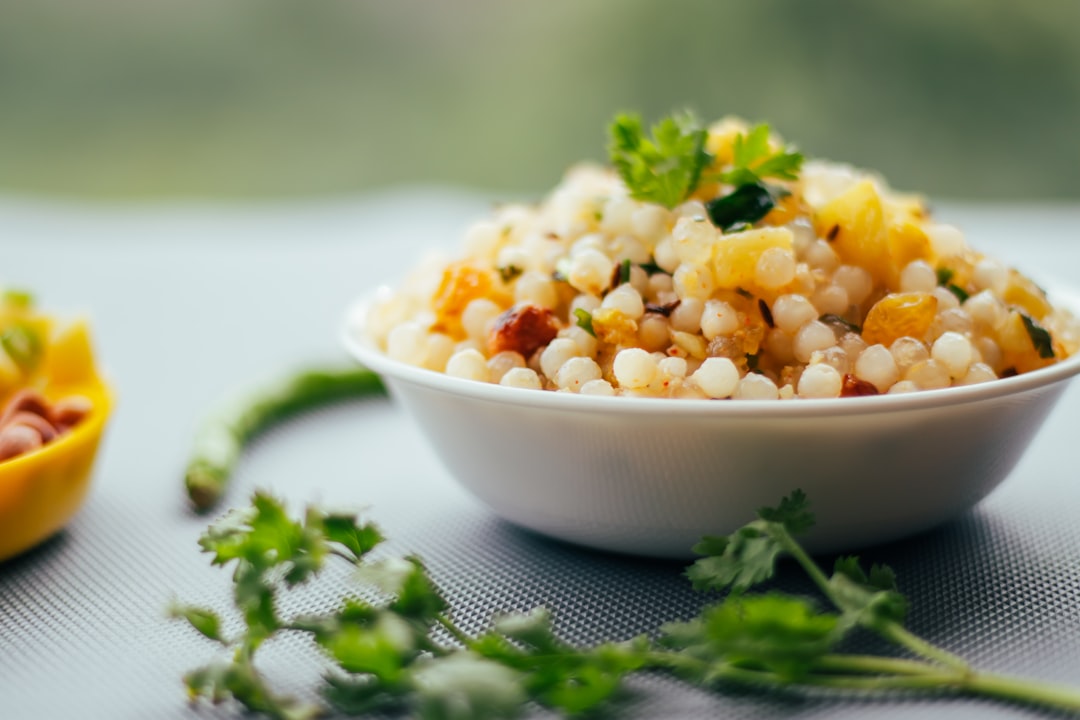
Research shows that whole grains are a superior source of dietary fiber, which aids in digestion and promotes satiety. Studies have shown that diets rich in whole grains are linked to reduced risks of chronic diseases such as diabetes and heart disease.
Lean Proteins
Lean proteins are essential for muscle repair and growth. According to nutritional guidelines, incorporating sources such as legumes, poultry, and fish can provide the necessary protein intake while minimizing unhealthy fats.
Fresh Vegetables
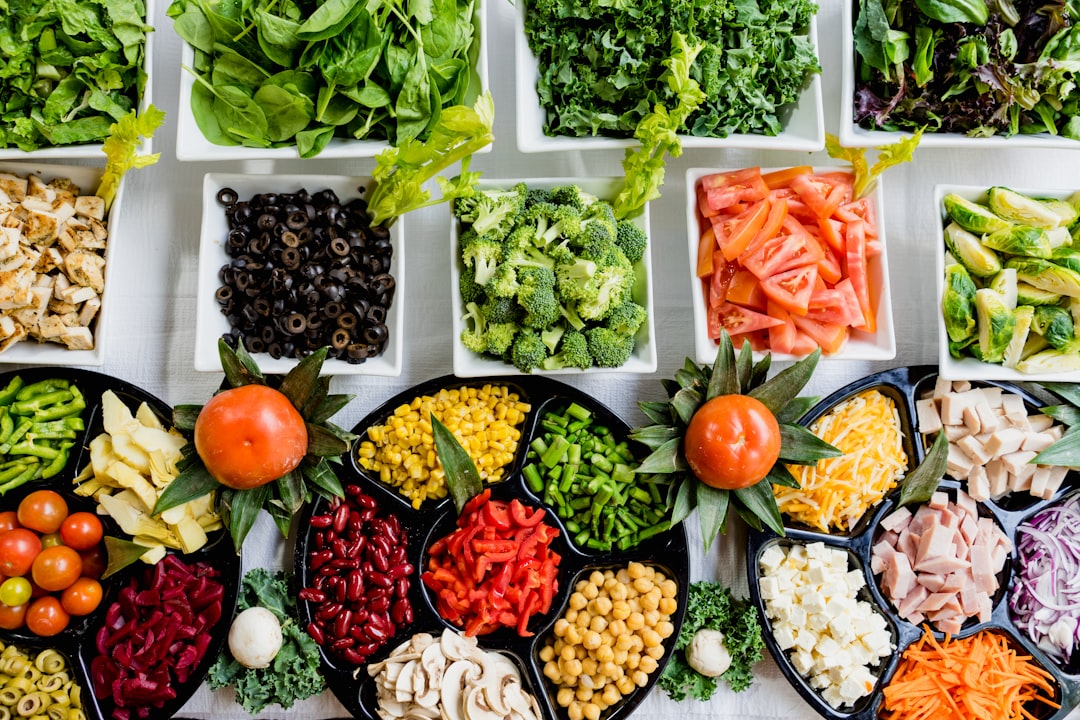
Data suggests that a diet high in vegetables can lead to improved health outcomes. Vegetables are low in calories and high in essential nutrients, making them ideal for enhancing the nutritional content of comfort foods.
Examples of Easy Healthy Comfort Food Recipes
It is well-established that modifying traditional recipes can lead to healthier versions of comfort foods. Below are examples of recipes that have been adapted to maintain their comforting qualities while improving their nutritional profile.
Quinoa and Vegetable Stir-Fry
This dish combines the benefits of whole grains and vegetables. Quinoa, a complete protein, is paired with a variety of colorful vegetables, providing a balanced meal rich in vitamins and minerals.
Grilled Chicken with Sweet Potato Mash
Grilled chicken serves as a lean protein source, while sweet potatoes offer complex carbohydrates and fiber. The combination is both satisfying and nutritious, supporting energy levels and overall health.
The Role of Portion Control
Studies consistently indicate that portion control is a critical component in maintaining a balanced diet. Research demonstrates that even healthy foods can contribute to weight gain if consumed in excessive quantities. Implementing portion control strategies can ensure that comfort foods remain part of a healthy eating plan.
Conclusion
The evidence clearly shows that easy healthy comfort food is achievable through the strategic selection of ingredients and mindful preparation techniques. By integrating whole grains, lean proteins, and fresh vegetables, individuals can enjoy their favorite comfort foods without compromising their health. As the demand for healthier eating options grows, the adaptation of traditional recipes to include nutritious elements will continue to be a significant trend in the culinary world.


You May Also Like
Effortless and Nutritious: An Expert Guide to No Fuss Healthy Recipes

Expert Guide to Beginner-Friendly Healthy Recipes