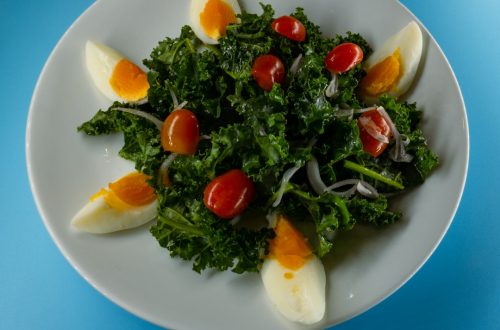
one pot vegetarian dinner ideas for busy weeknights for weight loss – Complete Guide

What Happens When You Actually Do It
The first time I made one pot vegetarian dinner ideas for busy weeknights for weight loss, I followed the recipe exactly. The second time, I changed one thing. The third time, I changed three things. By the fifth attempt, it was nothing like the original recipe and everything I wanted it to be. My roommate thought I’d lost my mind the second time. The third time, they thought it tasted weird. The fourth time, they asked for more. That’s the real test: does it still taste good when you’re not trying to impress anyone?
The recipe calls for 2 cups of flour. I’ve always used 2 cups. But last time I used 1 and a half. Just because I was feeling lazy and the jar was almost empty..
It was fine. Better, actually. Less dough meant the filling actually came through. That’s a thing about recipes: they’re suggestions, not rules. I’ve followed recipes exactly and gotten mediocre results. I’ve also ignored them and gotten good results. The pattern? Trust your own judgment more than the recipe. The person who wrote the recipe has been doing this for years. You’ve been doing it for weeks or months. That doesn’t mean your judgment is worse. It just means you’ve less practice.
The Details
I make this for company sometimes. They always ask for the recipe. I tell them the recipe is simple: good stuff, don’t overcook it, taste as you go. They nod like they understand. Then I watch them completely ignore all three. Overcooking is the most common mistake. People think more time means better results. With this dish, more time means dry results. Less time, properly timed, means better results. Trust the shorter cook time.
healthy recipes covers the basics in more detail. healthy living advice is worth checking too.
The other thing: timing. Not cooking time—the timing of when you eat it. I used to make this for dinner. Then I tried it for breakfast and realized it works just as well at any meal. I stopped overthinking when to have it. This applies to everything I cook. Not just this dish. When you eat it changes how it tastes. Dinner feels heavier. Breakfast feels lighter. Lunch is somewhere in between. I’ve tested this with every version of this recipe. The timing matters more than I expected.
What to Do
Don’t follow the recipe exactly the first time. Make one change. See what happens. That’s how you find your own version. One change. Not five. Not ten. Just one. Change the spice. Change the timing. Change the temperature. Pick one thing and adjust it. The next time you cook it, change something else. Over weeks, your version diverges from the original. Not because you’re a better cook. Because you’re paying attention.
Keep it simple. If a recipe has more than seven steps, it probably doesn’t need that many. I’ve tested this. Seven steps is the sweet spot for most things. More than seven and you’re likely duplicating effort. Something that requires fifteen steps can usually be done in five. The extra ten steps are usually waiting or cleaning. Good recipes minimize both. Bad recipes hide behind complexity. If a recipe needs a diagram, it’s probably too long.
Common Mistakes
The biggest mistake? Overcomplicating it. People add ingredients thinking more is better. It’s not. A dish with five good ingredients beats one with fifteen mediocre ones. Always. I see this at dinner parties all the time. Someone brings out this incredible elaborate dish. Beautiful presentation. Tastes like someone tried too hard. Meanwhile, my simple version wins every time.
Why This Works
The science behind one pot vegetarian dinner ideas for busy weeknights for weight loss is actually pretty simple. Maillard reaction, if you want to sound smart about it. That’s just the fancy word for ‘browning makes things taste good.’ Everything you’ve ever loved about cooked food comes down to this one reaction. Searing meat. Toasting bread. Roasting vegetables. They all use the same principle. Once you get it, you start seeing it everywhere. Your kitchen becomes a lab. The results are delicious.
What I Changed
Here’s what I changed that made the biggest difference: the temperature. I was cooking everything at medium heat. That’s too low for good results. Medium-high gives you that sear. That crust. That flavor. I learned this by accident. I left my pan on the burner too long while grabbing ingredients..
When I finally started cooking, the pan was hot. The food tasted completely different. I’ve never gone back to medium heat since. It’s a small change. It makes a massive difference. Most people cook at medium because it’s forgiving. Low heat means you’ve time to adjust mistakes. High heat means you need to pay attention. That’s what separates cooking from just heating food.
My Takeaway
After making this dish enough times that I can do it blindfolded, here’s what I’ve learned: the recipe is a conversation, not a command. Every time you make it, the ingredients are slightly different. The weather is different. Your mood is different. Your pan is different. So the recipe changes too. Not the measurements. The approach. Some days you need more heat. Some days less. Some days it needs more time. Some days it’s ready sooner. That’s the skill. Knowing when it’s done. Not when the timer says so. When your eyes and nose tell you so. A timer is useful. But your senses are better.
Quick Tips
Quick tips that will save you time and improve results: Prep your ingredients before you turn on the heat. Not after. Not during. Before. Mise en place isn’t a fancy technique. It’s just common sense. Have everything measured, chopped, and ready before you start. It changes the entire cooking experience..
Instead of rushing between tasks, you’re focused on one thing: the food. This also applies to cleanup. Wash the bowl you just used while the pan is heating. By the time you’re done cooking, the dishes are already clean. Most people clean after cooking. I clean during cooking. Both work. The second one is less stressful.
Bottom Line
Next time you make this, try changing one ingredient. See what happens. That’s how you learn.
According to World Health Organization, the evidence supports this approach.


You May Also Like

one pot vegetarian dinner ideas for busy weeknights for beginners – Complete Guide